6 posts tagged with "genetic epidemiology"

View All Tags

Mapping age-dependent genetic influences on DNA methylation


DNA methylation is often analysed as though genetic effects are stable over time, but development and ageing may change how genetic variation influences the methylome. In a new bioRxiv preprint, Yueying Li and colleagues map age-dependent methylation quantitative trait loci (mQTLs) using repeated DNA methylation measures from birth through adulthood.
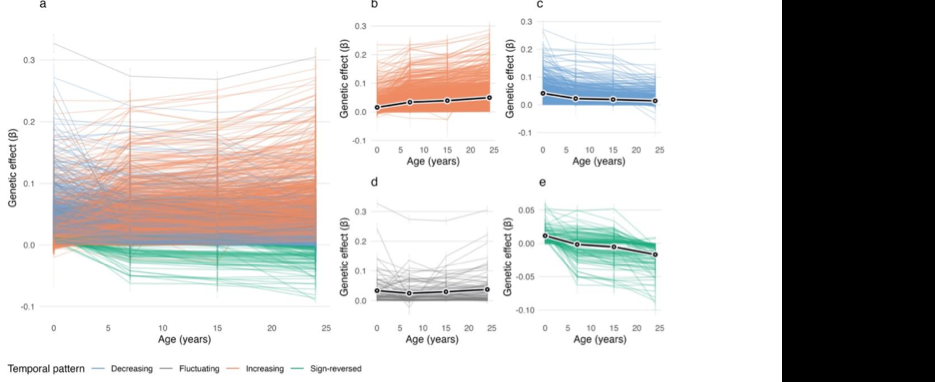
Trajectory plots showing increasing, decreasing, fluctuating and sign-reversed genetic effects on DNA methylation over age.

Figure: Trajectories of longitudinal mQTL-CpG associations, grouped by temporal pattern, showing genetic effects that increase, decrease, fluctuate or change sign across age. Source: Li et al., bioRxiv, 2026, Fig. 3 (CC BY 4.0).
Using genetics to prioritise therapeutic targets for immune-mediated diseases


Immune-mediated diseases such as asthma, eczema, inflammatory bowel disease, rheumatoid arthritis and multiple sclerosis share parts of the same immune biology, but translating that biology into therapeutic targets is still difficult. In a new paper in Scientific Reports, Maria Sobczyk and Tom Gaunt use integrative Mendelian randomization (MR) approaches to evaluate potential drug targets across 14 immune-mediated diseases.

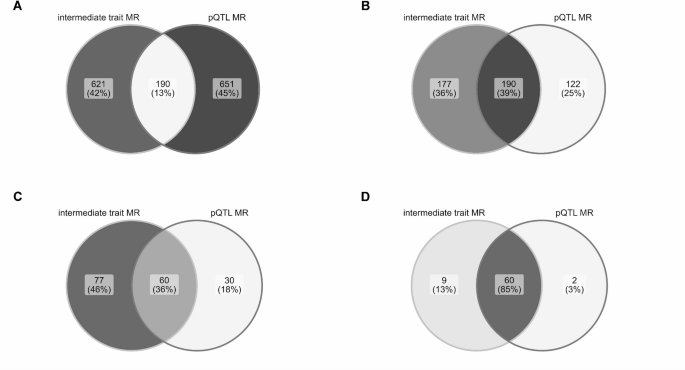
Venn diagrams comparing immune-cell-informed MR and protein-QTL MR evidence across immune-mediated diseases.

Figure: Overlap between immune-cell-informed MR and protein-QTL MR evidence for gene-immune-mediated disease associations, illustrating why combining molecular layers adds information beyond either approach alone. Source: Sobczyk and Gaunt, Scientific Reports, 2026, Fig. 4 (CC BY 4.0).

APOE and the genetic architecture of postoperative delirium


Postoperative delirium is a common and serious complication in older people after major surgery. In a new PLOS Medicine paper led by Richard Armstrong, we investigated whether inherited genetic variation helps explain risk of postoperative delirium, and how that risk relates to broader neurocognitive conditions.

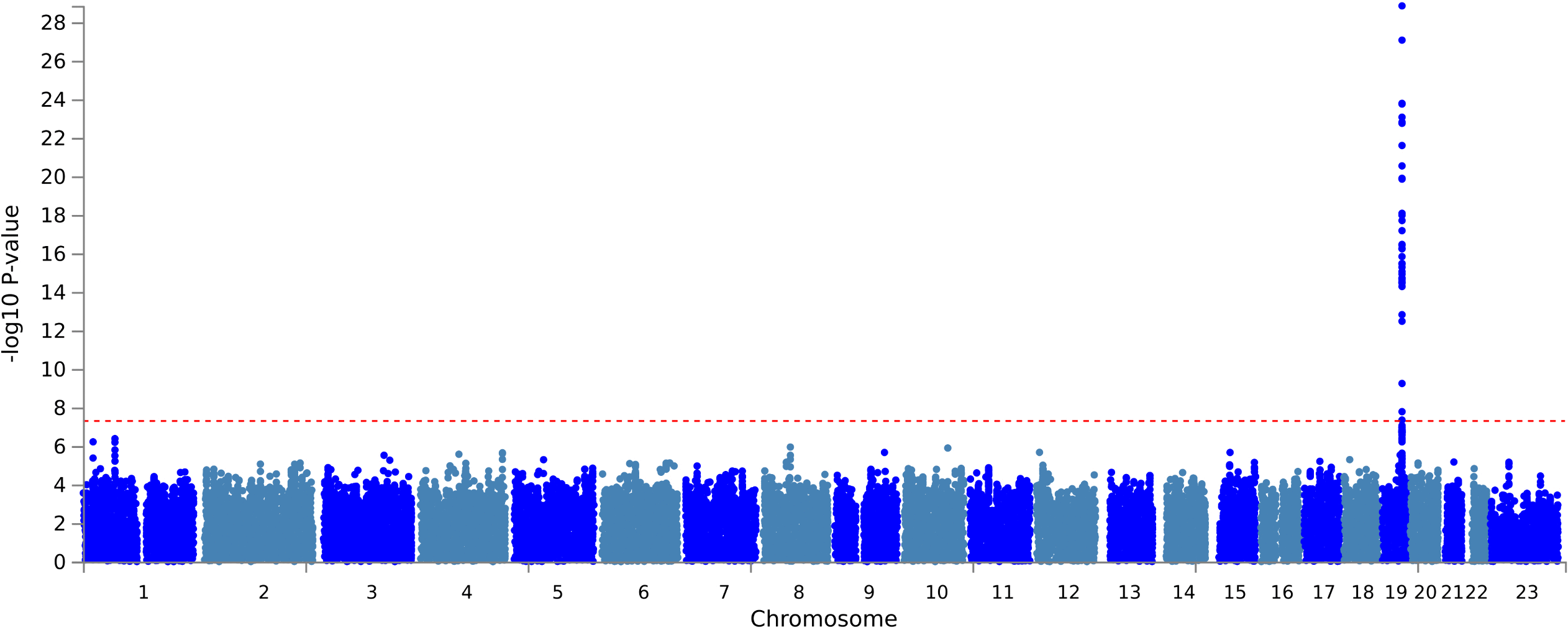
Manhattan plot from the postoperative delirium genome-wide association study.

Figure: Manhattan plot from the postoperative delirium GWAS, with the genome-wide significant signal concentrated at the chromosome 19 APOE region. Source: Armstrong et al., PLOS Medicine, 2026, Fig. 2 (CC BY 4.0).

Building a Human Genotype-Phenotype Map


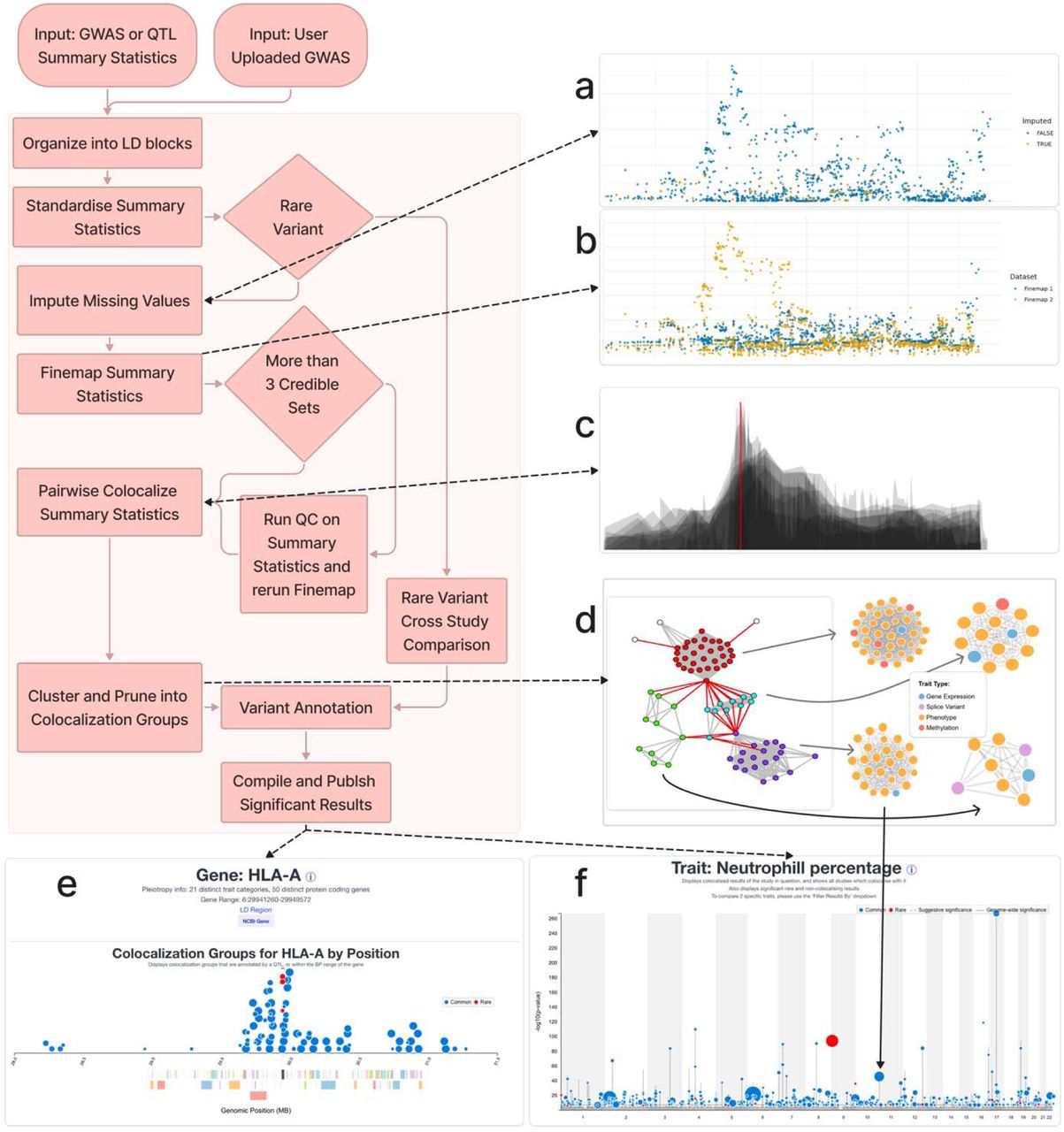
Genome-wide association studies have mapped thousands of genetic associations, but interpreting what those associations mean biologically remains a central challenge. In a new medRxiv preprint, Andrew Elmore, Aimee Hanson, Genevieve Leyden and colleagues introduce the Human Genotype-Phenotype Map (GPMap), an open resource for tracing shared genetic signals across complex traits and molecular measurements.

GPMap processing pipeline from GWAS summary statistics to trait, gene, variant and tissue views.

Figure: GPMap processing pipeline, from GWAS summary statistics through imputation, fine-mapping, colocalisation and views by trait, gene, variant and tissue. Source: Elmore et al., medRxiv, 2026, Fig. 1 (CC BY-ND 4.0).

Genetic risk factors for postoperative complications after major surgery


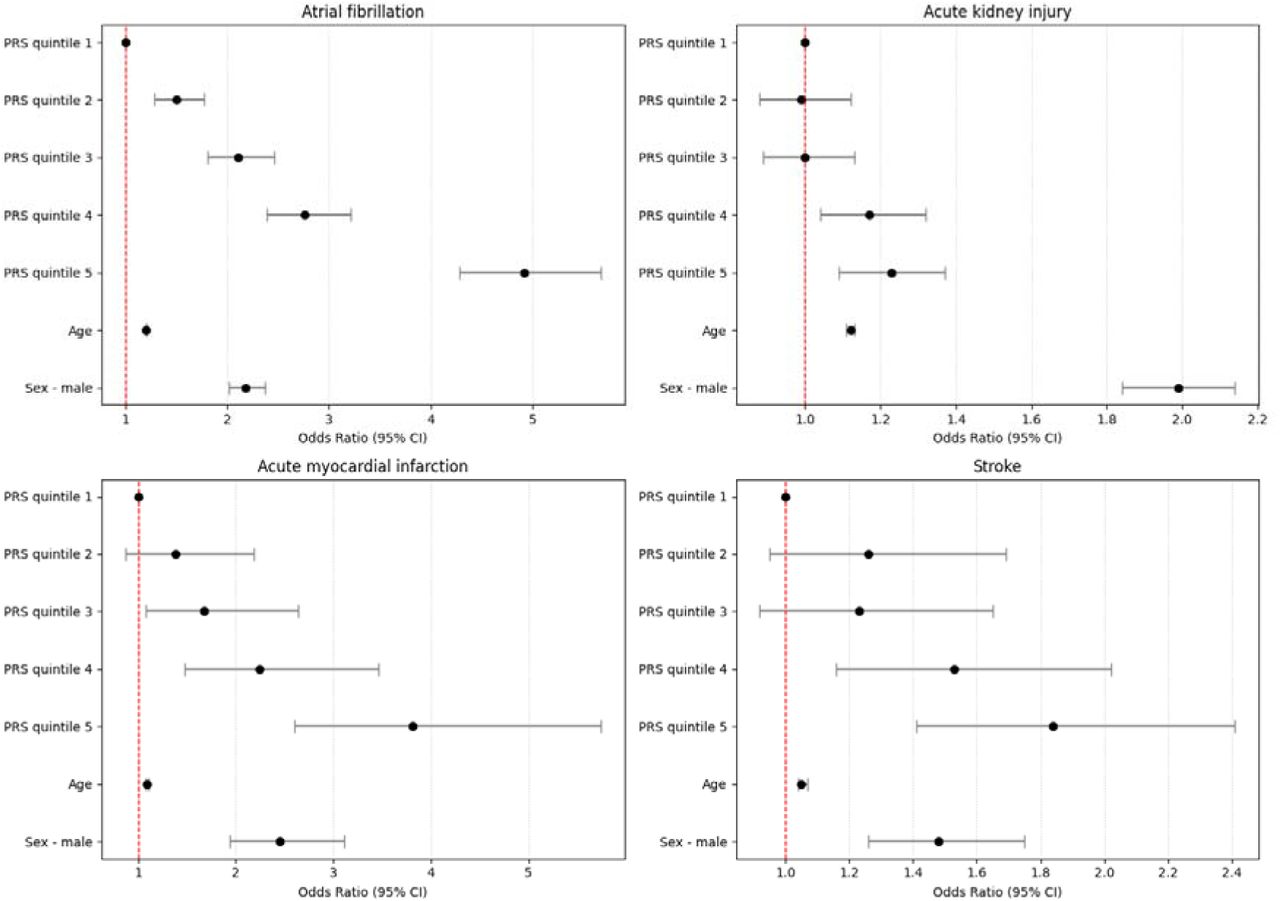
Serious complications after major surgery are common, but it is not always clear how far they reflect the immediate stress of surgery versus a person's underlying susceptibility to the same condition outside the postoperative period. In a medRxiv preprint, Richard Armstrong and colleagues use UK Biobank genetics to examine this question for five common postoperative complications.

Polygenic risk score quintile associations for postoperative complications.

Figure: Association between postoperative complications and increasing polygenic risk score quintile for related non-postoperative phenotypes. Source: Armstrong et al., medRxiv, 2025, Fig. 4 (CC BY-NC-ND 4.0).

Dissecting blood pressure and BMI a pathway- and tissue-partitioned Mendelian randomization comparison


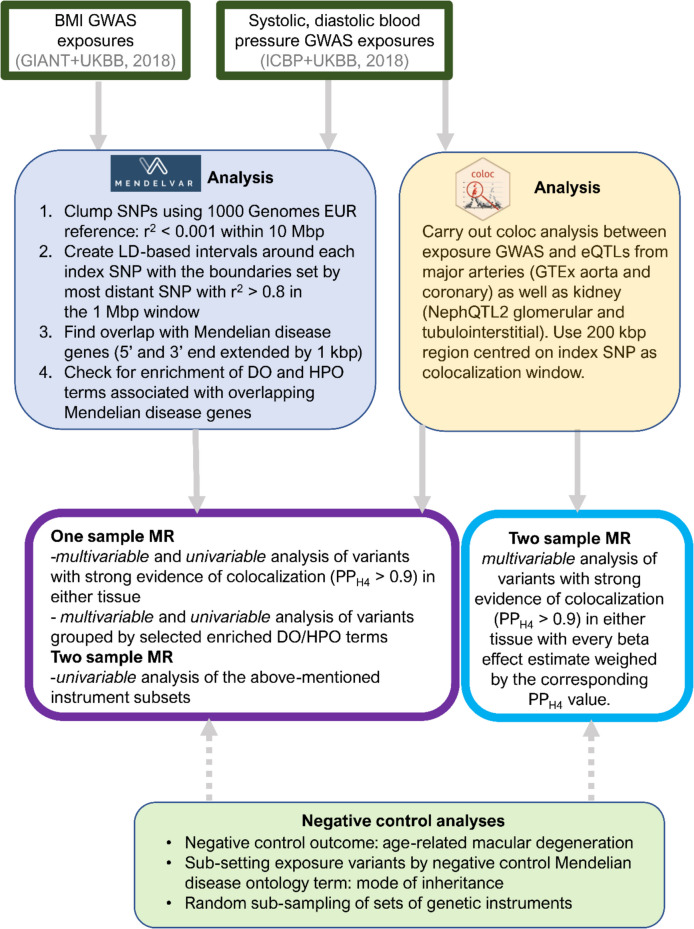
Pathway- vs tissue-partitioned MR, simplified schematic.

Complex traits like blood pressure (BP) and body mass index (BMI) are highly polygenic: hundreds of associated variants can be used as instruments in Mendelian randomization (MR). But those variants don’t all “mean the same thing” biologically—some may act through kidney physiology, others through vasculature, neurobiology, metabolism, and so on. If we can separate instruments into interpretable biological subsets, we can start asking questions like:

  • Which component of BP is most responsible for coronary heart disease risk?
  • Are BMI → atrial fibrillation effects more “metabolic” or more “neuro-behavioural”?

Work led by Genevieve Leyden and Maria Sobczyk and now published in Genome Medicine sets out to do exactly this by comparing two ways of partitioning genetic instruments before running MR.