4 posts tagged with "papers"

View All Tags

Using genetics to prioritise therapeutic targets for immune-mediated diseases


Immune-mediated diseases such as asthma, eczema, inflammatory bowel disease, rheumatoid arthritis and multiple sclerosis share parts of the same immune biology, but translating that biology into therapeutic targets is still difficult. In a new paper in Scientific Reports, Maria Sobczyk and Tom Gaunt use integrative Mendelian randomization (MR) approaches to evaluate potential drug targets across 14 immune-mediated diseases.
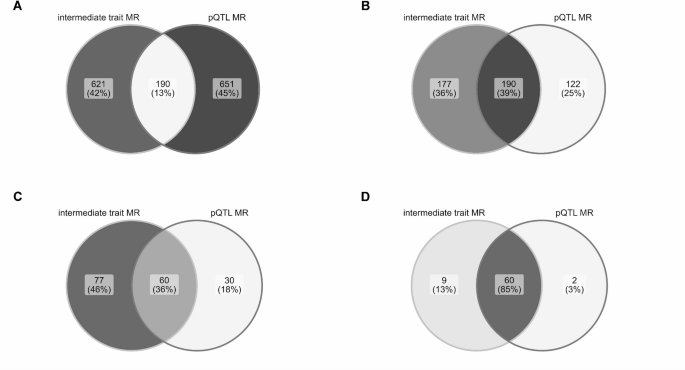
Venn diagrams comparing immune-cell-informed MR and protein-QTL MR evidence across immune-mediated diseases.

Figure: Overlap between immune-cell-informed MR and protein-QTL MR evidence for gene-immune-mediated disease associations, illustrating why combining molecular layers adds information beyond either approach alone. Source: Sobczyk and Gaunt, Scientific Reports, 2026, Fig. 4 (CC BY 4.0).
APOE and the genetic architecture of postoperative delirium


Postoperative delirium is a common and serious complication in older people after major surgery. In a new PLOS Medicine paper led by Richard Armstrong, we investigated whether inherited genetic variation helps explain risk of postoperative delirium, and how that risk relates to broader neurocognitive conditions.

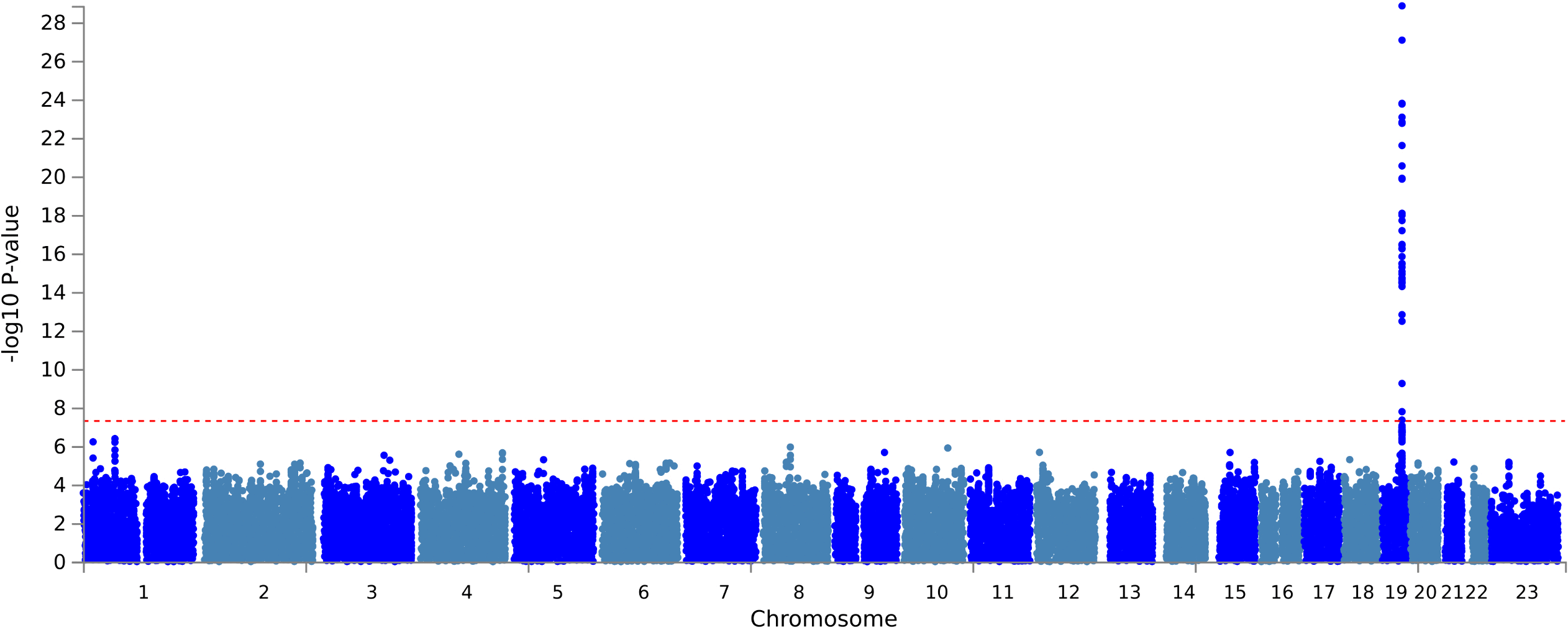
Manhattan plot from the postoperative delirium genome-wide association study.

Figure: Manhattan plot from the postoperative delirium GWAS, with the genome-wide significant signal concentrated at the chromosome 19 APOE region. Source: Armstrong et al., PLOS Medicine, 2026, Fig. 2 (CC BY 4.0).

Integrating Mendelian randomization and literature mining to map breast cancer risk factors


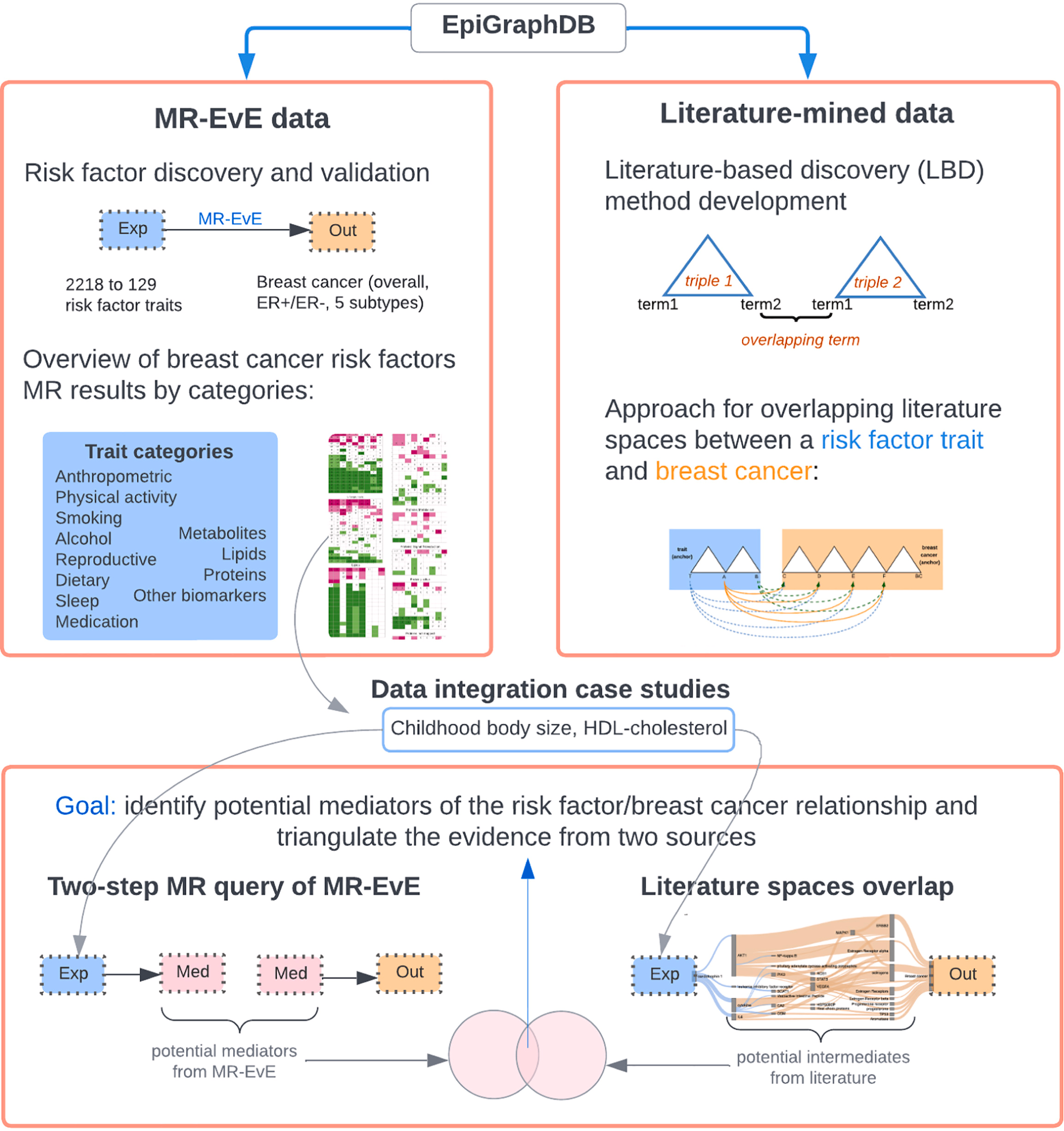
Illustration of integrating MR and literature-mined evidence to identify breast cancer risk pathways.

Breast cancer research spans epidemiology, molecular biology, clinical trials, and a vast and rapidly growing literature. One challenge is triangulating across these evidence types: when different sources point in the same direction, we can be more confident we are seeing something causal rather than correlational.

In a paper led by Marina Vabistsevits published in the Journal of Biomedical Informatics, we show how to bring two complementary sources together:

  1. Mendelian randomization (MR) evidence generated at scale using MR-EvE (“Everything-vs-Everything”), and
  2. Literature-mined relationships stored in EpiGraphDB, our biomedical knowledge graph.