
3 posts tagged with "GWAS"

View All Tags

APOE and the genetic architecture of postoperative delirium


Postoperative delirium is a common and serious complication in older people after major surgery. In a new PLOS Medicine paper led by Richard Armstrong, we investigated whether inherited genetic variation helps explain risk of postoperative delirium, and how that risk relates to broader neurocognitive conditions.
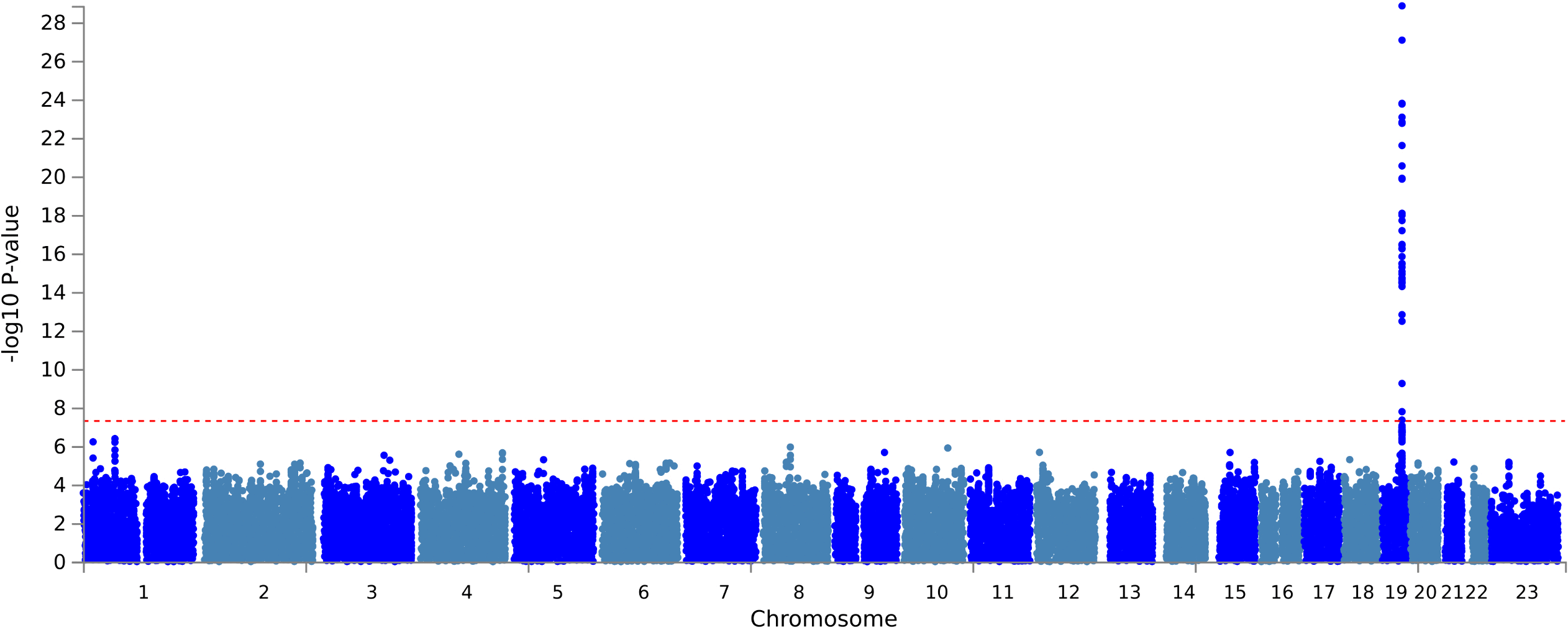
Manhattan plot from the postoperative delirium genome-wide association study.

Figure: Manhattan plot from the postoperative delirium GWAS, with the genome-wide significant signal concentrated at the chromosome 19 APOE region. Source: Armstrong et al., PLOS Medicine, 2026, Fig. 2 (CC BY 4.0).
Genetic risk factors for postoperative complications after major surgery


Serious complications after major surgery are common, but it is not always clear how far they reflect the immediate stress of surgery versus a person's underlying susceptibility to the same condition outside the postoperative period. In a medRxiv preprint, Richard Armstrong and colleagues use UK Biobank genetics to examine this question for five common postoperative complications.

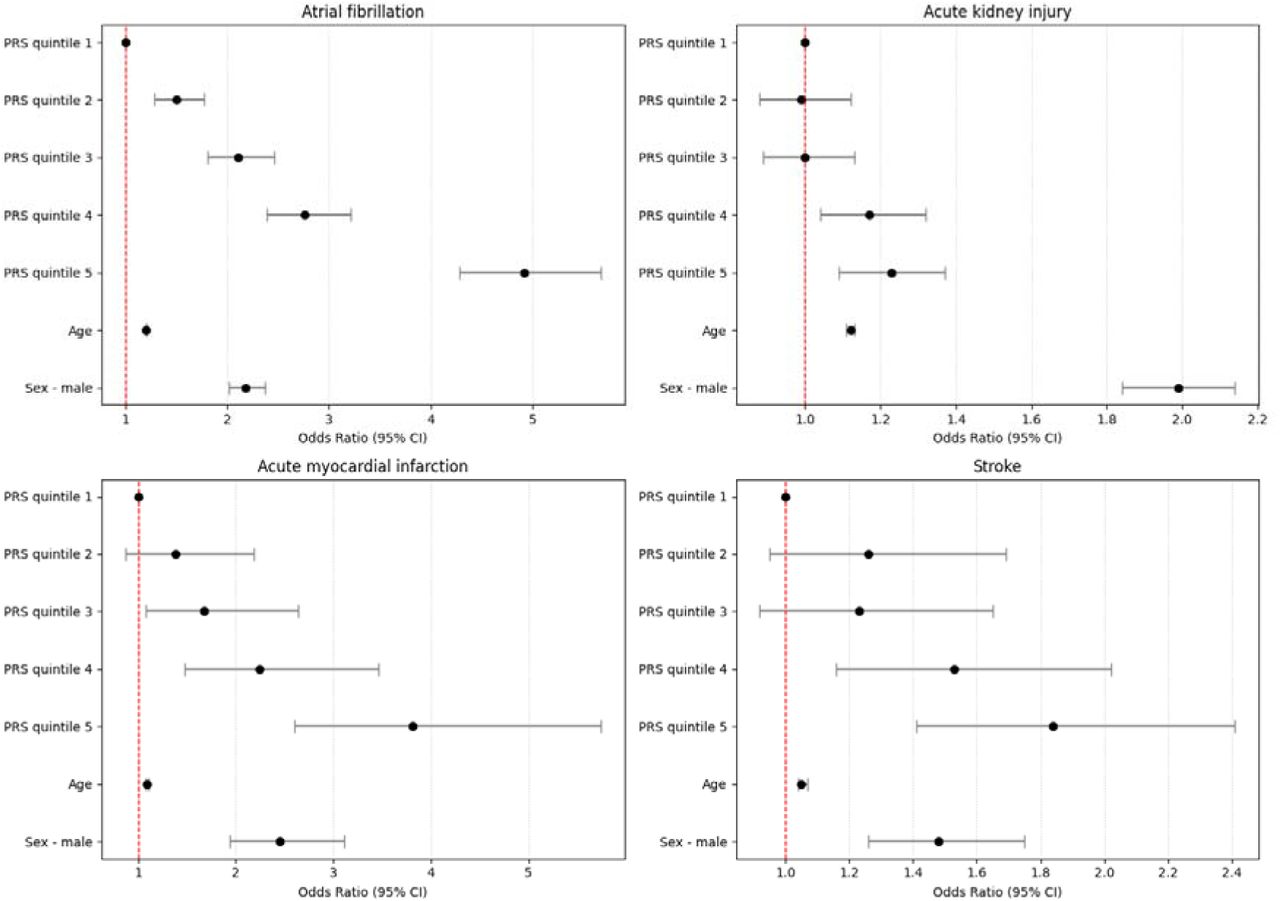
Polygenic risk score quintile associations for postoperative complications.

Figure: Association between postoperative complications and increasing polygenic risk score quintile for related non-postoperative phenotypes. Source: Armstrong et al., medRxiv, 2025, Fig. 4 (CC BY-NC-ND 4.0).